
Coyote Hunting: Hunt the Hunter
Audio summary:
Published: January 13, 2021
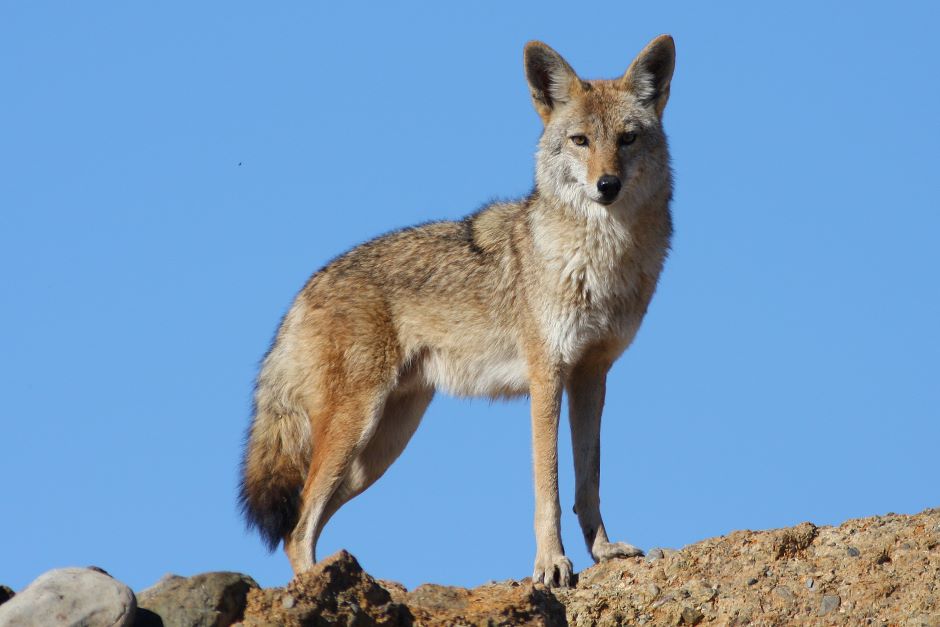
Coyotes are here, and they are everywhere. While most hunters did not grow up with coyotes on their list on animals that they hunt, they are now present in 49 states. Which means hunters from all across the country are diving head first into the world of coyote hunting. If you’re new to hunting coyotes, own land where they are becoming a problem, or are simply interested in the future consequences of this species, then this blog is for you.

Sponsored
Why Hunt Coyotes
Population Control
The first and most pressing problems with coyotes is there lack of natural predators, causing their population to grow every year. They are usually unaffected by things that would destroy a different animals population. For example, if a food source has been depleted a coyote is willing to migrate to where the food now is. For a coyote food could mean anything from food waste to a full size buck, making them extremely resilient. The lifespan of a coyote is also 10 years, with mating being possible after the first 2 years. Which just adds to the ever growing population that is costing land owners and hunters some serious coin.
Disease
One of the most serious and wide spread danger of coyotes is the diseases that the animal is often associated with. Canine hepatitis and canine distemper are the most popular disease carried by coyotes. These are dangerous things to have spread around because they greatly effect domestic dogs, distemper has even been shown to be fatal. They also have the normal wild animal diseases like rabies that can be spread to both other animals and humans. Overall the entire species is prone to disease. They are actively spreading it to all surrounding wildlife through feces and urine. Making them extremely dangerous to animal populations as a whole.
More Hunting!
Outside of the fact that coyotes are a nuisance to wildlife, hunting these things is just fun! Many states have year round coyote seasons, and those that aren’t have multiple legal seasons. Making this a viable option to scratch your hunting itch during the off seasons. Going out in the off seasons for other species is also a bonus when it comes to scouting. Giving you a different look at how the animals are acting which will make them easier to predict later on.

Sponsored
Future of Coyote Hunting
Hunting Coyotes is something that is both a fun challenge and completely necessary for the healthy survival of wildlife. Their population numbers growing annually. So you can expect the trend of coyote hunting to continue on for years to come. If you are a farmer or landowner, especially in the Midwest, there are specific tactics that you can use to keep coyotes off of your land. Which can stop them from cutting into your profits.

Connor is the Marketing Manager for American Hunting Lease Association and has been with them for over 5 years. Connor lives in Indiana and enjoys the outdoors whether it's fishing, riding his quad or sitting around the campfire. When not working or outdoors, you can find him rooting for his sports teams.
Related articles
March 31, 2026
12 elements of great duck and goose hunting leases. Waterfowl hunters know something other hunters don’t alw ...
March 12, 2026
Things to consider when looking for hunting land. Finding private land to hunt can feel overwhelming. That’s ...