
The Reveal Party: Part 5 of 5 of the Secrets to a Hunting Lease
Audio summary:
Published: July 6, 2022
Unless you were lucky enough to be late-season hunting in the south with many of our friends or going after turkeys or other predators, you are like me and were pretty much done hunting for the year in January and already starting to think about this fall.
We set out several months ago to illustrate just how enjoyable and rewarding your own hunting lease could be. From the first meeting with your hunting partners to finding and securing your own lease, we have discussed the best ways to approach your first lease (or any lease for that matter) and of course how to get the most out of your time spent hunting and scouting.
Well, now that 2022 is in full swing, most hunters have moved on to other interests and put their hunting gear in the attic for a few months. BUT…if you have your own hunting lease, you should be excited about the next few months. These are the months that reveal the secrets of your lease and how to go about taking advantage of them next fall.

Sponsored
Inventory
Just like any retail store that takes an occasional inventory of everything they have on hand, it’s time to take your hunting lease’s inventory. Which one of the bucks you were chasing survived? Which ones are still calling your lease home? If you pulled your cameras, what will they reveal? Across much of the country, food sources are becoming scarce and winter is setting in. A couple of well-placed bales of hay and a few bags of corn will have the deer on your lease hanging out in the same spot and spending their time around this “fast-food” drive-thru you have created. Get a camera or two up and running over the food and then stay out of it for a few weeks. It’s the best way to definitively know what will be hanging around in October. When you go back to check your camera, don’t be surprised if you get lucky and find a nice shed or two laying in the high-travel area you created.
Scout
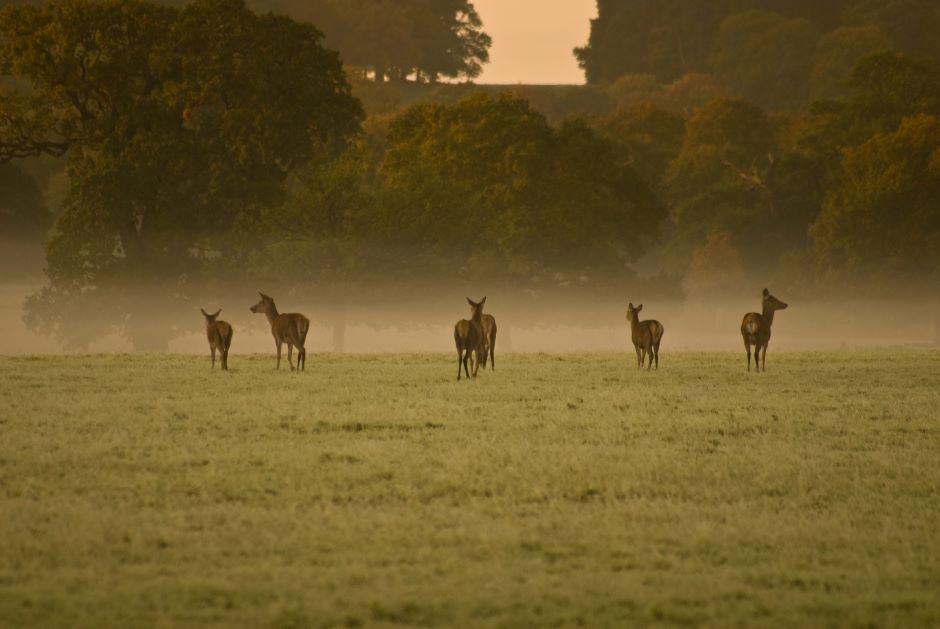
It doesn’t take much to see exactly where the deer move and how they travel from one ridge to another. The trails you noticed the first time you walked your hunting lease are still there, but it’s the faint trails that run parallel to the others that I like to find. Typically, your older bucks won’t use the same trails that does and younger bucks use. Once you start locating these secondary trails just 20 or 30 yards off the main trails, you will start to see things differently. You may have been in a tree just 30 yards from the tree you should have been in all along. I used to carry a notepad and GPS unit with me on these scouting trips. Now, I just make voice notes on my iPhone and use a GPS app to mark locations or areas I need to pay closer attention to in the fall. Regardless, the time to scout and really take a close look at hot spots and even identify possible trees for stands is now. Where some comfortable shoes or boots and start walking!
Tree Stand Safety
Pull your stands. There is no reason to leave your stands hanging in the tree from year to year. Straps and cables that are left out in the elements for an entire year are considerably weakened and dangerous and will reveal any unsafe spots. Many of us have more than a few stands hanging in the woods and taking them all down is a chore. That is simply no reason to leave them up. Squirrels and rodents of all kinds chew on the straps and water and/or ice from the winter will rust the cables faster than you think. The same goes for safety ropes and lifelines. Those ropes were not designed to withstand constant heat, cold, drought, humidity or rain. They must be taken down, inspected and stored properly.
The first time you step into that stand next fall, you HAVE to be confident that the stand is safe. The only way to do that is to pull your stands and store them away. Sometime in the spring or summer, get them back out and visually inspect each one of them. A good day of scouting or shed hunting with your hunting lease buddies can easily turn into a day of pulling stands and making sure that next fall is as safe and fun as this year was.
Tree Stand Safety Awareness
The Tree Stand Safety Awareness (TSSA) initiative is a grass roots movement to raise awareness of the high number of tree stand-related accidents each year. In nearly every scenario reported, the fall or injury was 100% preventable with a proper safety harness AND lifeline.
Hopefully, you safely enjoyed your hunting lease and are happy with your decision to secure your very own piece of hunting heaven. The facts are undeniable, “when executed properly, the hunting lease works for everyone.” Good luck with your lease going forward and please remember to hunt safe.
From here it’s up to you to hunt, prepare and succeed on your own. That’s the beauty of a hunting lease.
Who could ask for anything more?

Sponsored

Sean has served as the Chief Operating Officer for the AHLA for over 8 years and is widely considered a thought leader and innovator in the hunting lease and outdoor liability fields.
Sean has written dozens of published articles and routinely appears on podcasts and as a speaker anytime the topics of private access, hunting leases and landowner protection are being discussed. Sean lives in Indiana with his wife and enjoys spending time with his grandsons.
Related articles
March 31, 2026
12 elements of great duck and goose hunting leases. Waterfowl hunters know something other hunters don’t alw ...
March 12, 2026
Things to consider when looking for hunting land. Finding private land to hunt can feel overwhelming. That’s ...
Leave A Comment