
Prevent Trespassing On Your Vacant Land
Audio summary:
Published: May 6, 2021
If you own vacant land, you should be fully aware that trespassing is a crime. As a landowner, you should proactively prevent unauthorized people from using, abusing, or stealing from your property.
In addition, accidents happen, and you do not want to be liable. A simple first step to take is to post your property lines with Posted or No Trespassing signs. However, each state has different laws about criminal trespassing, so do your homework to understand what the laws are in your state. Fines or even jail time are often the penalties associated with trespassing on someone else’s land.

Sponsored
For Example, in Ohio, A Person Is Guilty of Criminal Trespass:
1. If they enter or remain on someone else’s property without their permission
2. If they enter onto or remain on another’s property without permission, knowing they shouldn’t be there because of certain lawful restrictions
3. If they enter onto or remain on a person’s property after that individual has been warned by a sign, by a fence, or by someone associated with that property, the trespasser should not be there.
4. If they refuse to leave another person’s property after seeing a sign or someone associated with that property has informed them that they should not be there.
Obviously, you can’t control everything and everybody, so protecting your family and investment with a quality vacant land liability policy is the best plan. Ensure the policy specifically covers trespassing laws, theft, and accidents related to their illegal actions. The last thing you want to hear from local authorities is that a trespasser who had an accident on your property was injured and is filing a lawsuit against you. That may sound crazy, but sadly it happens, which is why preventing trespassing is so important.
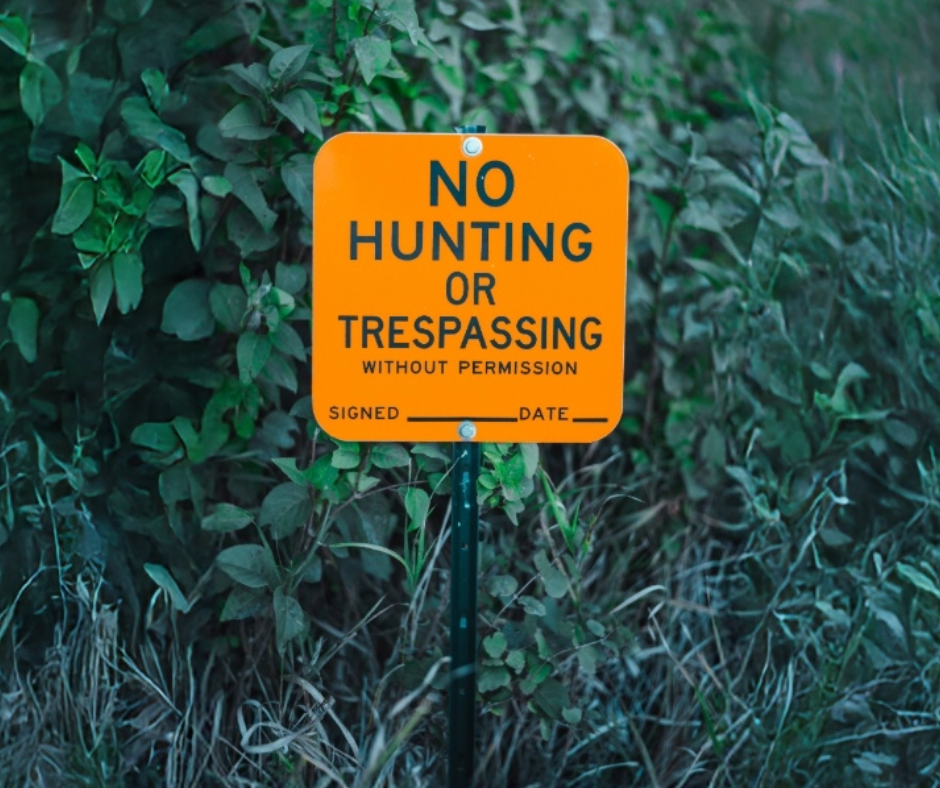
Here Are a Few Common Trespassing Violations
1) ATV, SXS, or motorcycle riding on your roads, trails, or paths.
2) Cutting down trees, harvesting Ginseng or taking other valuables from your land
3) Entering your cabin, camper, or RV
4) Hunting or fishing without permission
Conclusion
To wrap it up, the best way to prevent trespassing is to be proactive and safeguard your land and assets. Post your property with signs, lock gates, and doors. You might also want to consider the new, low-cost app-based video surveillance and alarm systems like Ring doorbells or similar models that can be self-installed. And most importantly, protect yourself with a proven liability policy specifically designed for vacant land insurance.
Sponsored

This is the "wpengine" admin user that our staff uses to gain access to your admin area to provide support and troubleshooting. It can only be accessed by a button in our secure log that auto generates a password and dumps that password after the staff member has logged in. We have taken extreme measures to ensure that our own user is not going to be misused to harm any of our clients sites.
Related articles

March 12, 2026
Things to consider when looking for hunting land. Finding private land to hunt can feel overwhelming. That’s ...
February 25, 2026
Analyzing the importance of acreage sizes in leased hunting land. It’s usually the first question hunters as ...
Leave A Comment